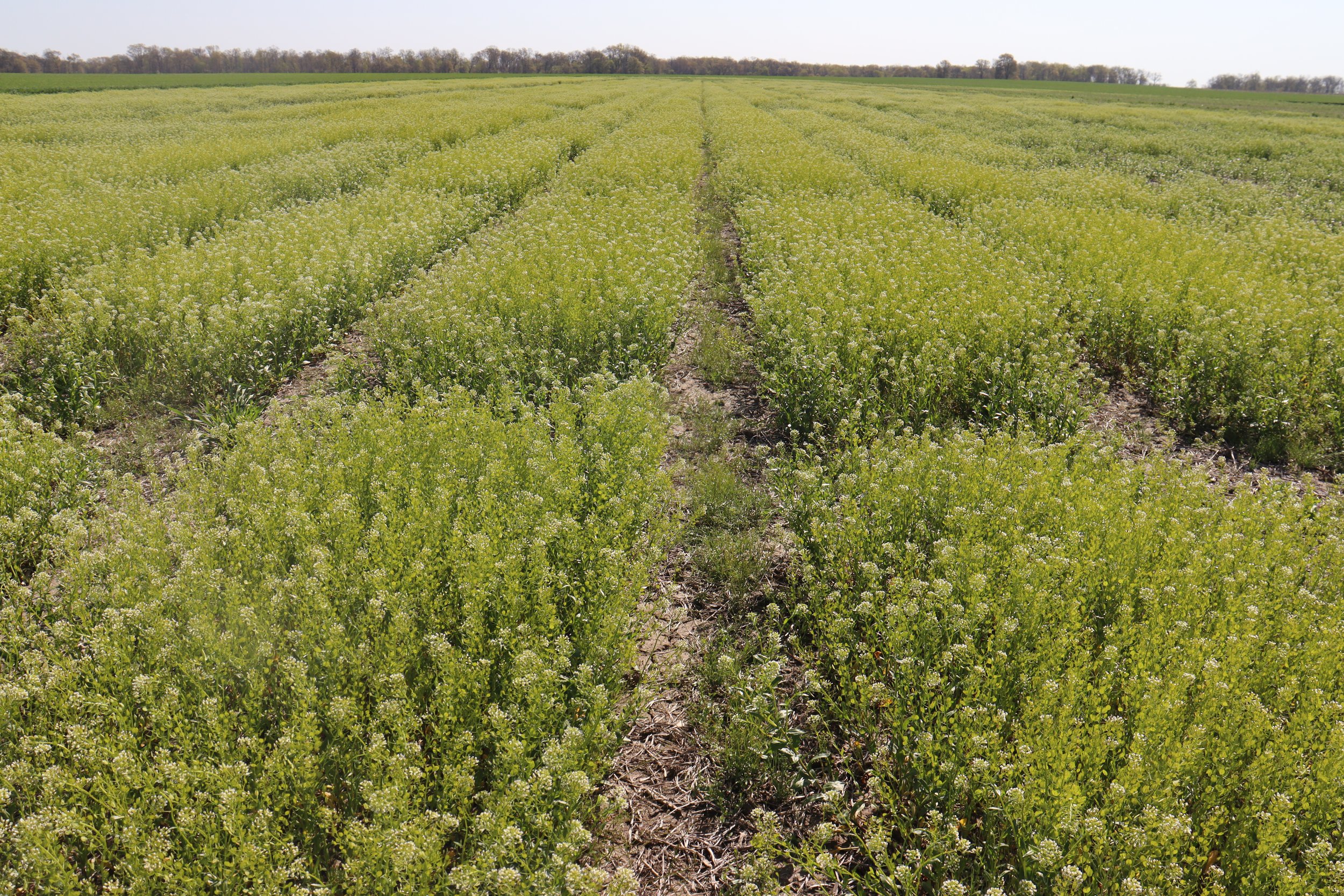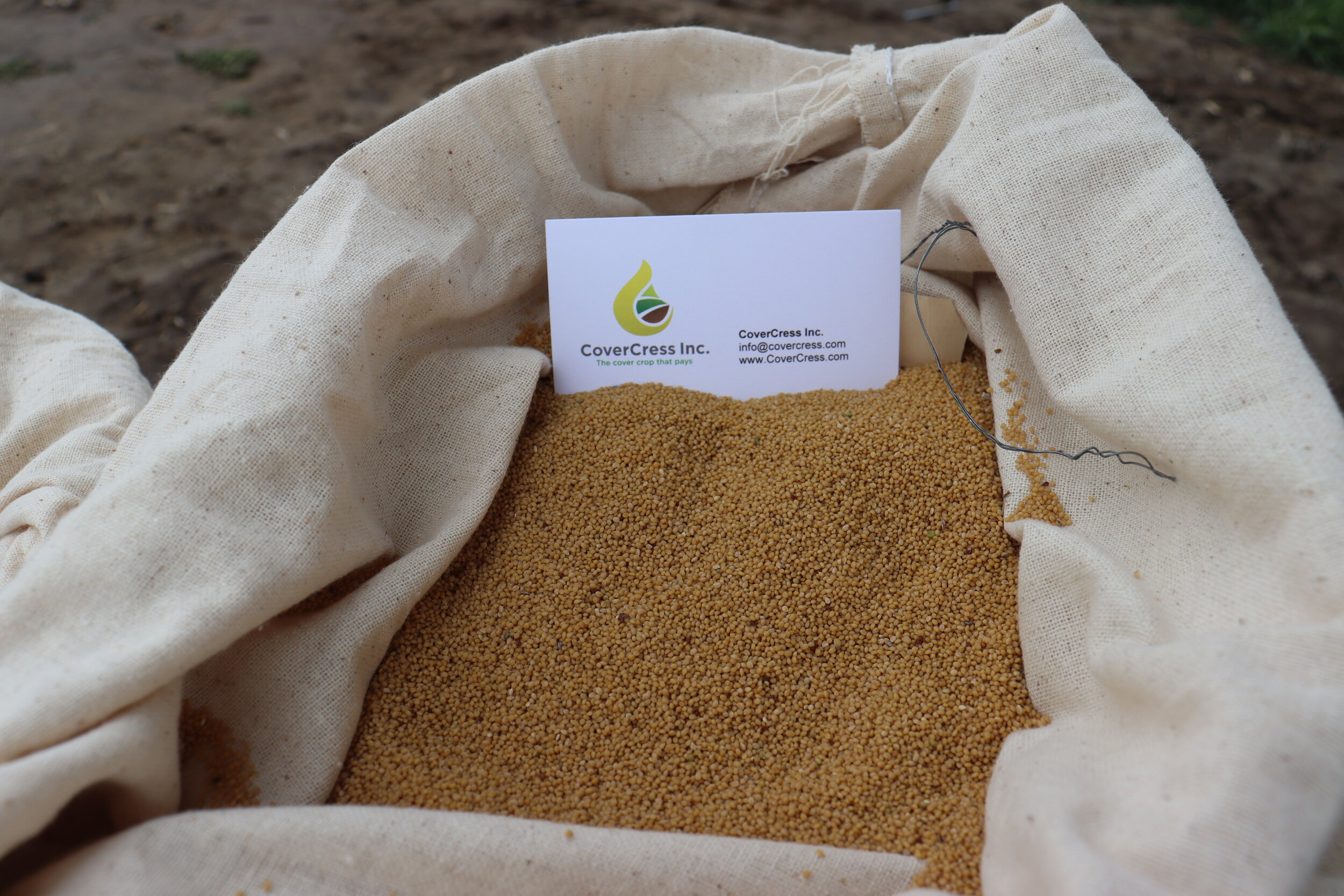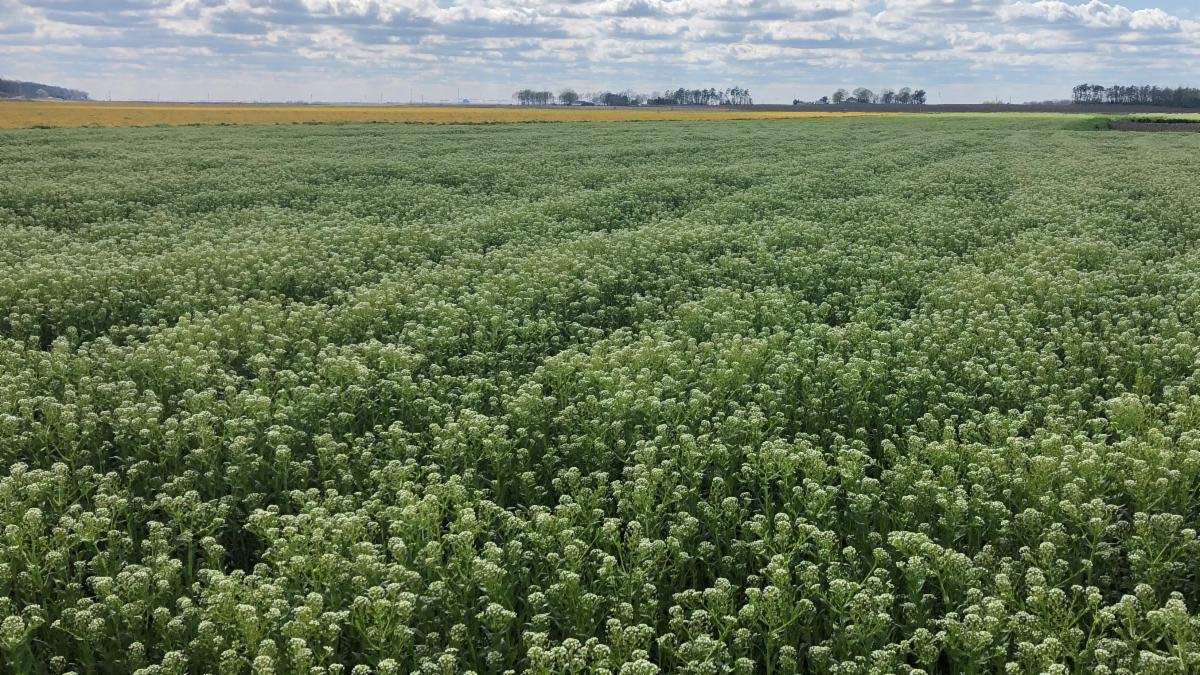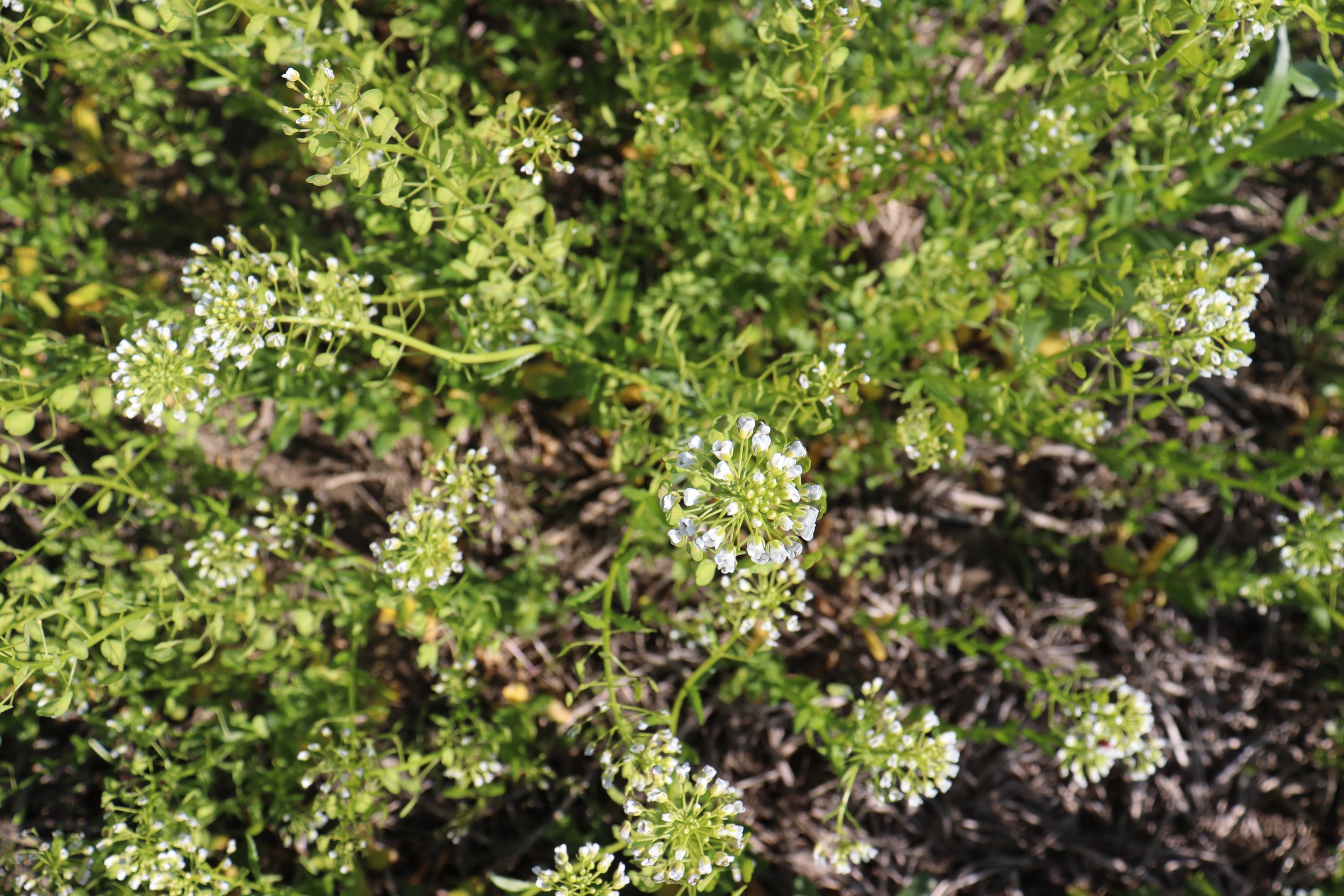

CoverCress, Inc. is helping to boost the productivity of corn and soybean farmers by developing and commercializing the nation’s first “cash cover crop.”
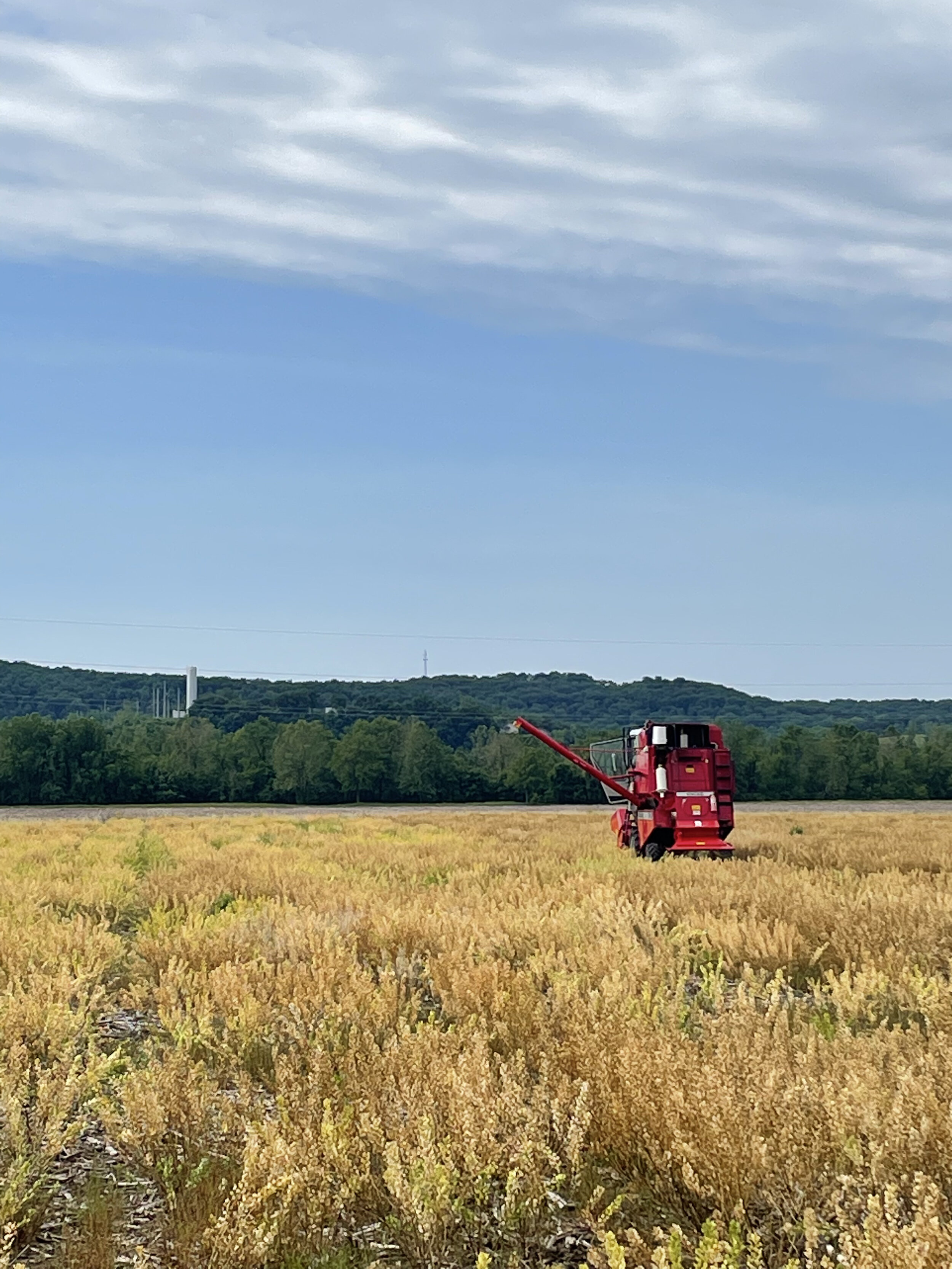
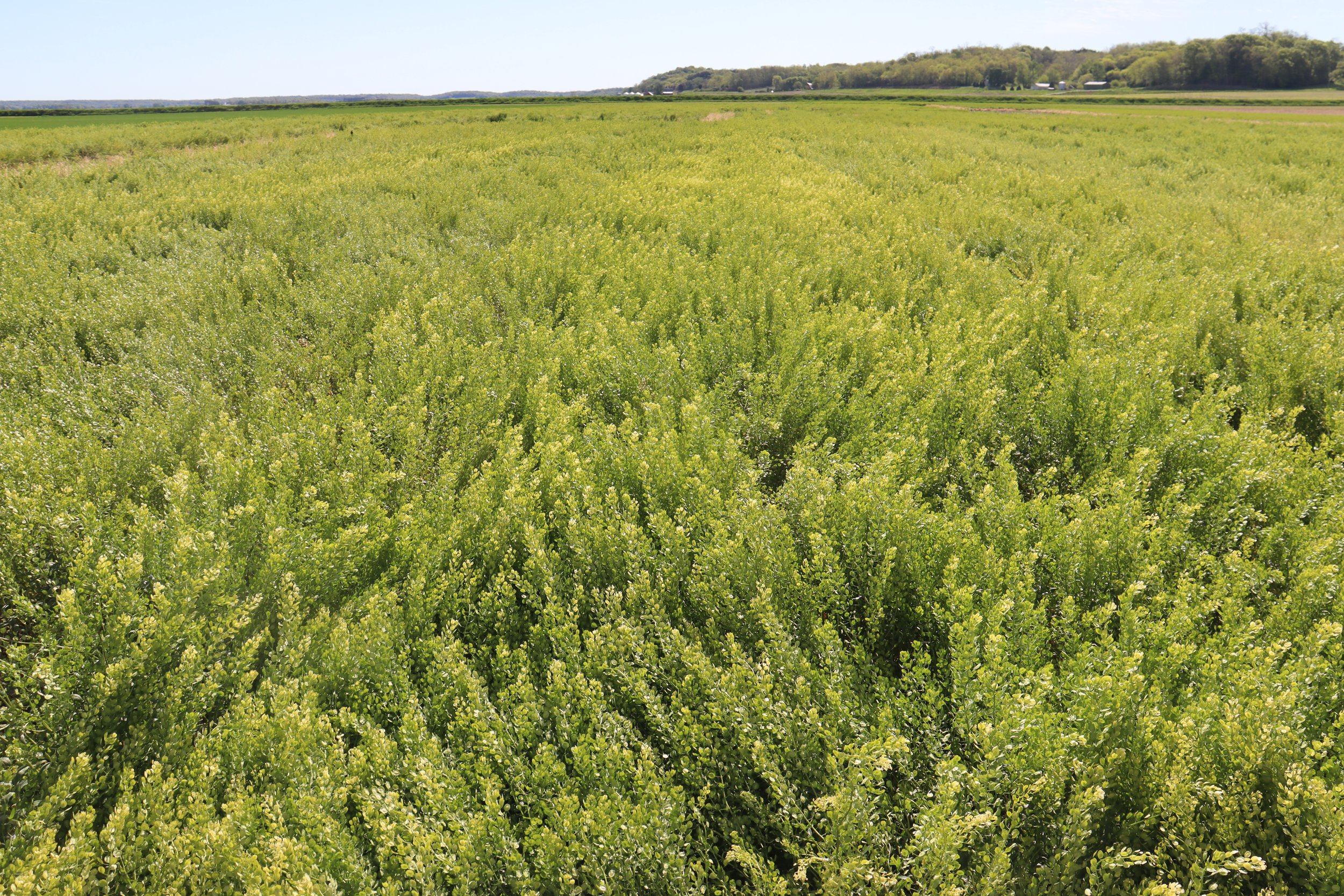
Founded in 2013 by three Monsanto alumni, the company is advancing research to convert the native field pennycress into a third crop, grown during the winter and bridging the gap between corn and soybean crops.
This unique cover crop will generate an additional revenue stream for farmers by producing oilseed that can be harvested and processed into low-carbon-intensity oil which is then converted into renewable fuels or used in animal feed.
The Arch Angels have participated in every funding round for the company, beginning in 2015 and continuing in 2017, 2018, 2020, and 2021.
“The Angels provided critical early capital to CoverCress, which allowed us to keep our breeding program going at the right scale,” says CoverCress CEO Mike DeCamp. “Members of the Angels participate in our Board meetings, offer helpful advice, and have connected us to farmers that have served as hosts for test plots.”
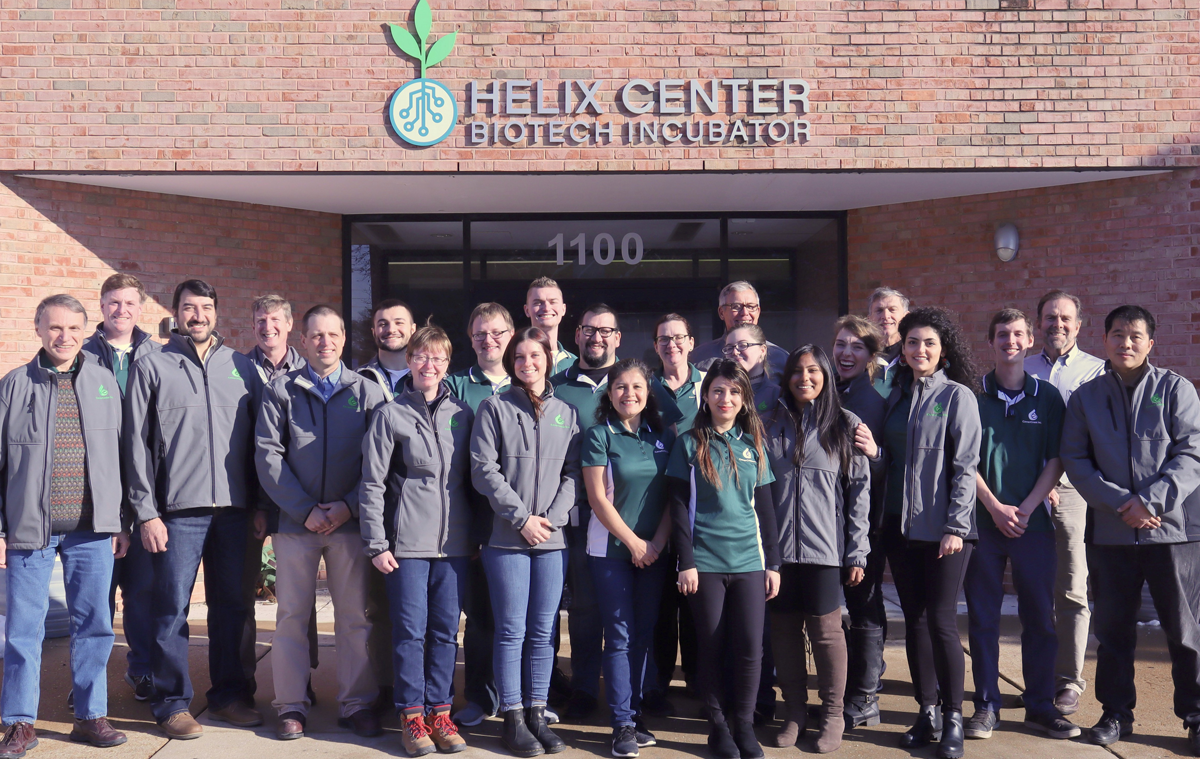
The company’s lab resides at BRDG Park in the 39 North Innovation District and its greenhouse operations at the Donald Danforth Plant Science Center. It plans a commercial launch in 2022.